
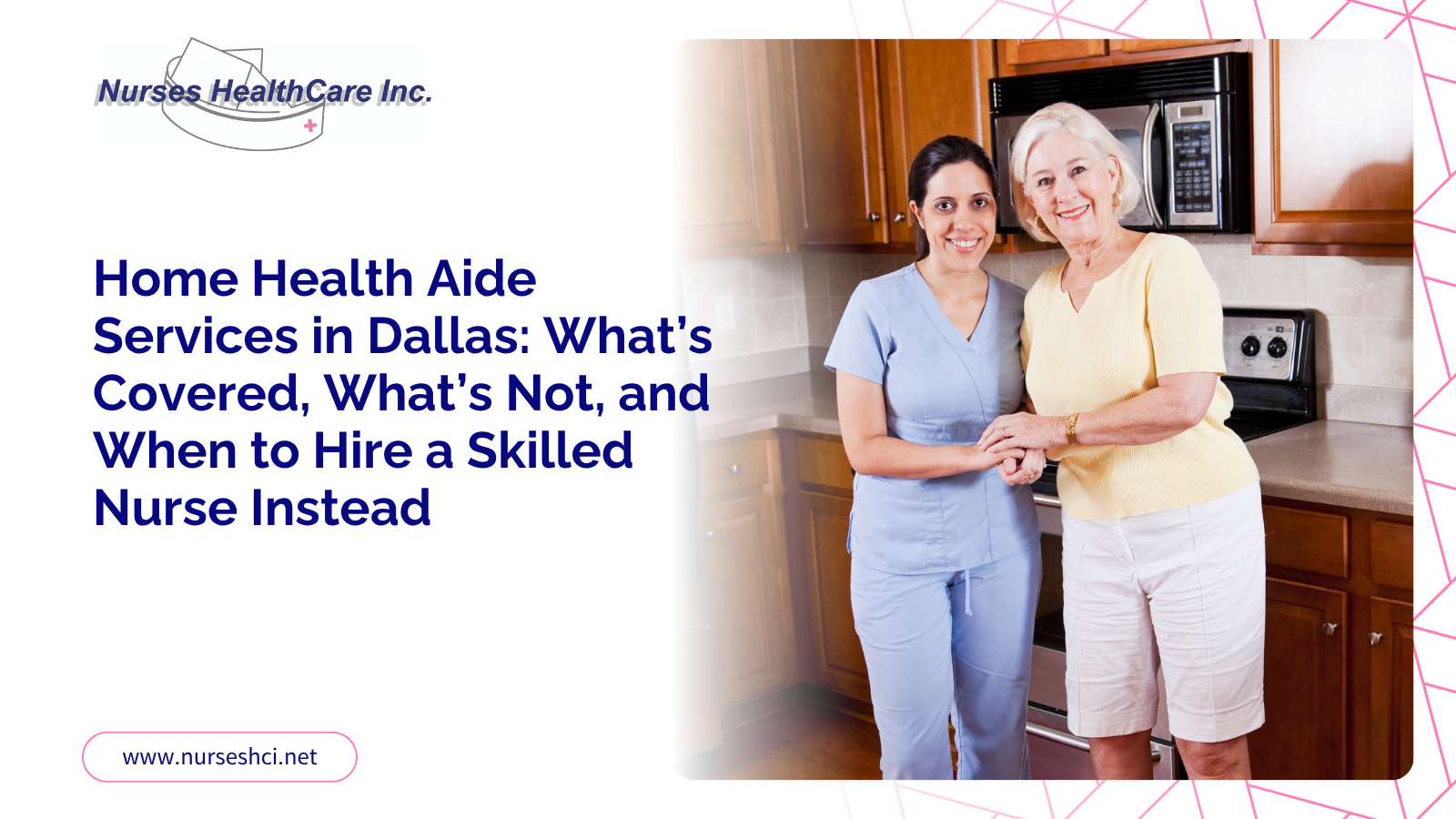
Families often begin exploring in-home care after noticing daily tasks becoming harder for an aging parent, recovering patient, or loved one with a chronic condition. In Dallas, home health aide services provide practical support that helps people stay safe and comfortable at home while maintaining as much independence as possible.
At the same time, many families are unsure where home health aide services end and where skilled nursing care begins. Knowing the difference matters because choosing the right level of care can improve recovery outcomes, reduce hospital visits, and prevent unnecessary stress at home.
What Home Health Aide Services Typically Include
Home health aide services focus on non-medical assistance that supports daily living activities. These services are designed to help individuals manage routines safely while remaining in familiar surroundings. Many Dallas families rely on aides for consistent day-to-day assistance that promotes comfort and stability without requiring hospitalization or facility care.
Personal hygiene assistance: Support with bathing, grooming, dressing, and toileting helps maintain dignity and safety.
Mobility support: Aides assist with walking, transfers, and movement around the home to reduce the risk of falls.
Daily routine assistance: Help with meals, light housekeeping, and reminders creates structure and consistency.
Families often combine these services with Personal Attendant Services for broader in-home support.
Services That Home Health Aides Do Not Legally Provide
While home health aides offer valuable daily support, there are clear limitations to what they can do. In Texas, aides are not licensed to perform skilled medical procedures or clinical treatments. Understanding these restrictions helps families avoid unsafe care situations and ensures patients receive proper medical supervision when necessary.
Medication administration: Aides may provide reminders but cannot inject medications or manage complex prescriptions.
Wound care procedures: Dressing changes and infection treatment require licensed nursing professionals.
Clinical assessments: Monitoring serious symptoms or evaluating medical conditions falls under skilled nursing responsibilities.
For patients requiring medical oversight, Skilled Nursing Care is often the safer option.
Signs a Skilled Nurse May Be Necessary Instead
Some situations go beyond routine support and require professional medical attention at home. Skilled nurses are trained to manage complex conditions, monitor recovery, and coordinate healthcare plans. Families in Dallas often transition from aide services to nursing care after surgery, hospitalization, or changes in chronic health conditions.
Frequent hospital readmissions: Ongoing medical complications usually require clinical monitoring.
Post-surgical recovery: Skilled nurses help manage pain, wounds, medications, and rehabilitation plans.
Chronic disease management: Conditions like diabetes, heart failure, or COPD often need continuous oversight.
Patients recovering from illness may also benefit from Physical Therapy as part of a coordinated care plan.
The Step-by-Step Process for Choosing the Right Home Care Service
Selecting the right type of home care becomes easier when families evaluate medical needs, daily living challenges, and long-term goals together. A structured approach prevents underestimating care requirements and helps avoid unnecessary disruptions later.
Step 1: Identify whether assistance is medical, non-medical, or both.
Step 2: Review physician recommendations after hospitalization or diagnosis.
Step 3: Assess mobility, medication, and supervision needs at home.
Step 4: Determine whether therapy services are needed during recovery.
Step 5: Build a care plan that can adapt as needs change over time.
Comparing Home Health Aides and Skilled Nurses
Although both services support patients at home, their responsibilities differ significantly. Comparing them side by side helps families make informed decisions based on actual care needs. While home health aides primarily assist with everyday living activities, skilled nurses provide clinical medical care that requires professional training and licensing. Home health aides typically help with bathing, grooming, mobility assistance, meal preparation, and maintaining daily routines. Their role focuses on improving comfort, safety, and independence inside the home. These services are especially helpful for seniors or individuals who need regular support with non-medical tasks throughout the day.
Skilled nurses, on the other hand, are trained to manage medical conditions and monitor patient health. They can administer medications, perform wound care, monitor vital signs, and coordinate treatment plans with physicians. Skilled nursing care is often recommended after surgery, hospitalization, or during chronic disease management.
Therapy services also play an important role in home healthcare. Licensed therapists help patients regain mobility, communication skills, and independence after injuries, illness, or medical procedures. Depending on recovery needs, patients may receive physical therapy, speech therapy, or Occupational Therapy as part of a comprehensive care plan.
Cost Factors for Home Health Aide Services in Dallas
The cost of in-home care depends on several practical factors. Dallas families often compare service frequency, medical complexity, and visit duration before selecting a care plan. While home health aides are generally more affordable than skilled nursing, medical needs can increase overall care costs.
Hours of care: Full-day or overnight assistance increases service expenses.
Level of supervision: Patients with mobility or memory concerns may require more intensive support.
Combination services: Therapy or nursing care added to aide services can affect pricing structures.
Insurance eligibility and physician referrals may also influence coverage availability.
Rehabilitation Services That Often Work Alongside Home Care
Recovery at home is rarely limited to one service alone. Many patients require a combination of assistance and rehabilitation to regain strength, mobility, or communication abilities.
Integrated home care plans often improve outcomes by addressing both physical recovery and daily support needs.
Speech Therapy: Helps patients recover communication or swallowing abilities after a stroke or illness.
Physical Therapy: Improves mobility, balance, and strength during recovery.
Occupational Therapy: Supports safe completion of everyday activities at home.
You can learn more about Speech Therapy and recovery-focused home services available through Nurses Healthcare Inc.
Common Mistakes Families Make When Hiring Home Care
Choosing care too quickly can create long-term challenges. Families often focus only on immediate needs without considering how conditions may change over time.
Avoiding these mistakes helps ensure safer and more sustainable care planning.
Waiting too long: Delaying care can increase the risk of falls and emergency situations.
Choosing based only on cost: Lower-cost care may not provide the medical support required.
Ignoring future needs: Progressive conditions often require scalable care solutions.
A professional evaluation can help determine whether aide support alone is sufficient.
Real-Life Situations Where Skilled Nursing Makes a Bigger Difference
In Dallas, many patients begin with basic support but later require more advanced medical supervision. These situations are common after major health changes or prolonged recovery periods.
A skilled nurse can often prevent complications before they become emergencies.
After hospitalization: Nurses monitor recovery and reduce readmission risks.
Complex medication schedules: Clinical supervision improves medication safety.
Pediatric medical needs: Children with ongoing medical conditions often require specialized in-home support through Pediatric Home Care.
Best Practices for Safer In-Home Care
Strong communication and consistent routines help home care services work more effectively. Families who stay involved in the care process often see better outcomes and a smoother recovery.
Even small adjustments can significantly improve safety and comfort.
Maintain updated medication lists: Accurate records reduce treatment confusion.
Keep emergency contacts accessible: Quick communication improves response times.
Schedule regular care reviews: Ongoing evaluations ensure services still match patient needs.
Many families also check verified local care experiences through the Nurses Healthcare Inc. Google Business profile.
Home Health Care Services Available Across Dallas, TX
Dallas families often prefer home-based care because it allows loved ones to remain in familiar surroundings while receiving personalized support. Local availability also matters because response times and continuity of care can directly affect outcomes.
Nurses Healthcare Inc. provides services throughout Dallas and surrounding communities with care plans tailored to individual needs.
You can explore supported communities on the Service Areas page and stay up to date with the latest healthcare insights on the Nurses Healthcare Inc. Blog.
Frequently Asked Questions About Home Health Aide Services in Dallas
Families often have important questions before beginning home care services. These answers can help clarify expectations and guide better care decisions.
What does a home health aide do for seniors at home?
Home health aides assist with activities of daily living, such as bathing, dressing, meal preparation, and mobility support. They help seniors remain comfortable and safe at home without providing advanced medical treatment.
Can a home health aide administer medications in Texas?
Home health aides may provide reminders, but they are not licensed to administer injections or perform skilled medication management. Medical tasks requiring clinical judgment should be handled by licensed nurses.
When should families hire a skilled nurse instead of an aide?
Skilled nursing care becomes important when patients need wound care, medication management, disease monitoring, or post-surgical support. A physician may also recommend nursing care after hospitalization.
Can therapy services be combined with home health aide care?
Yes, many patients receive therapy alongside aide services to support recovery and independence at home. Combined care plans often improve mobility, communication, and overall quality of life.
Get Trusted Home Health Care Support in Dallas, TX
Choosing the right home care service can make everyday life safer, more manageable, and less stressful for both patients and families. Whether your loved one needs help with daily routines or requires skilled medical attention at home, selecting the proper level of care is essential for long-term well-being.
Nurses Healthcare Inc. provides personalized in-home healthcare services across Dallas, TX, with flexible care plans designed around individual medical and personal needs. From home health aide support to skilled nursing and therapy services, care is delivered with professionalism, compassion, and consistency.
📍 Address: 1101 W Plano Pkwy, Suite 101, Plano, TX 75075
📞 Phone: (972) 481-1300
📧 Email: info@nurseshci.net
Connect with Nurses Healthcare Inc. to explore reliable home healthcare solutions designed to support recovery, comfort, and independence at home.